[
Neuroscaping®
]
[
Neuroscaping®
]
[
Neuroscaping®
]
Redefining engagement through neuroscience-driven experience design.
What is Neuroscaping®?
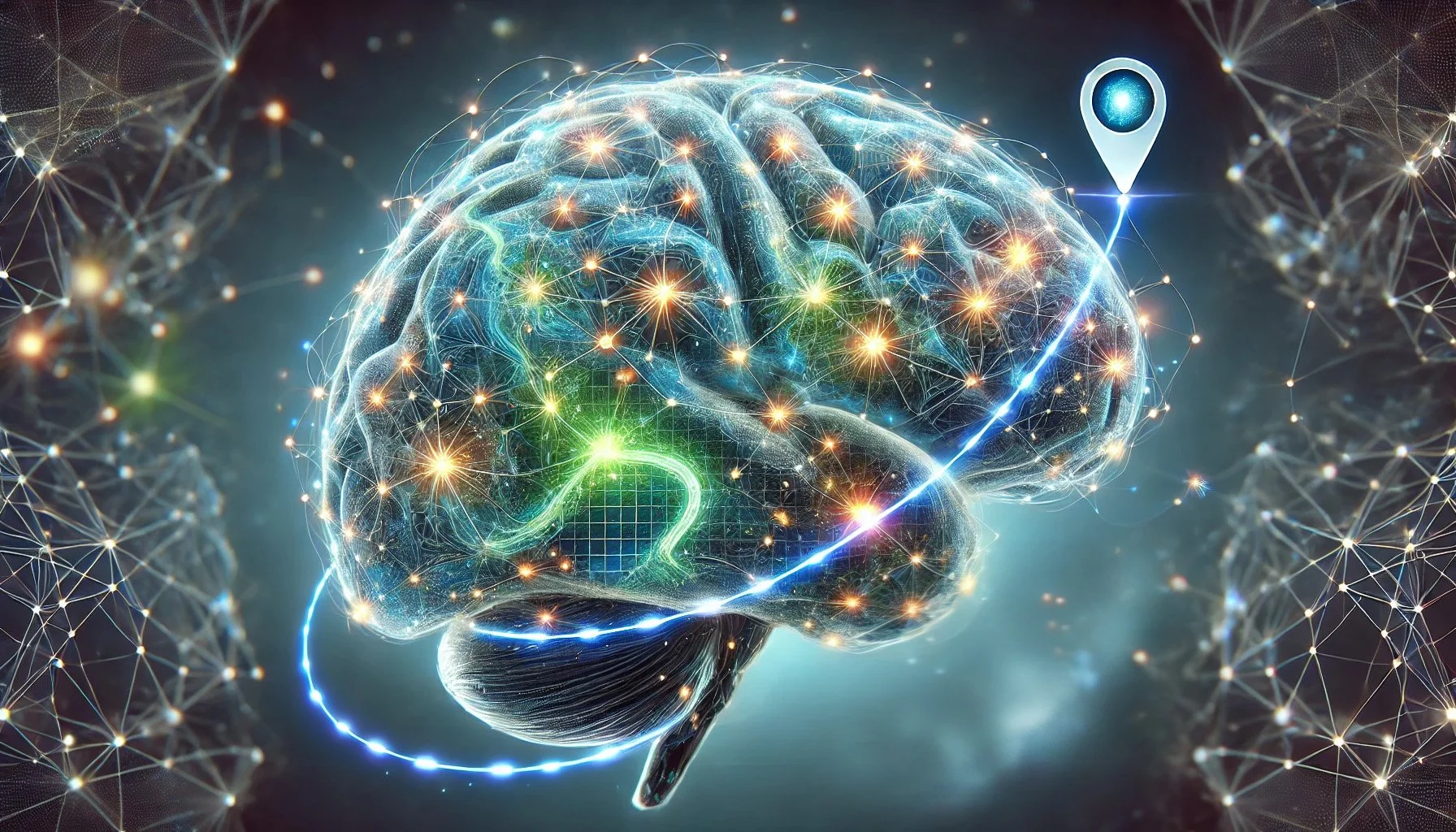
Neuroscaping® is more than a methodology — it’s a system built on decades of behavioral science, cognitive research, and communication strategy. Instead of relying on outdated metrics or superficial design, Neuroscaping® focuses on the science behind how people think, feel, and act.
By using insights from neuroscience, cognitive psychology, and experience design, Neuroscaping® helps brands create connections that feel intuitive, emotional, and lasting.


[
WHY CHOOSE US
]
[
WHY CHOOSE US
]
Why Neuroscaping® Matters ?
Most brands struggle to capture attention and drive meaningful action in a distracted world. Neuroscaping® solves this by:
[
WHY CHOOSE US
]
Why Neuroscaping® Matters ?
Most brands struggle to capture attention and drive meaningful action in a distracted world. Neuroscaping® solves this by:
01.
Understanding emotional drivers
Revealing what truly motivates audience decisions.
01.
Understanding emotional drivers
Revealing what truly motivates audience decisions.
01.
Understanding emotional drivers
Revealing what truly motivates audience decisions.
02.
Designing experiences that feel natural
Using neuroscience-backed frameworks to improve clarity, alignment, and resonance.
02.
Designing experiences that feel natural
Using neuroscience-backed frameworks to improve clarity, alignment, and resonance.
02.
Designing experiences that feel natural
Using neuroscience-backed frameworks to improve clarity, alignment, and resonance.
03.
Closing the gap between intention and experience
Ensuring every touchpoint delivers the message your audience is wired to remember.
03.
Closing the gap between intention and experience
Ensuring every touchpoint delivers the message your audience is wired to remember.
03.
Closing the gap between intention and experience
Ensuring every touchpoint delivers the message your audience is wired to remember.
04.
Building human-centric engagement systems
Shaping experiences that feel intuitive—not forced.
04.
Building human-centric engagement systems
Shaping experiences that feel intuitive—not forced.
04.
Building human-centric engagement systems
Shaping experiences that feel intuitive—not forced.
[
How It Works
]
[
How It Works
]
[
How It Works
]
The Science Behind Resonant Engagement

Step 1
Step 1
Cognitive Insight Mapping
Precisely understanding how your audience processes information, emotions, and decision-making cues.


Step 2
Step 2
Experience Pattern Recognition
Identifying what attracts attention, what creates friction, and what leads to engagement.


Step 3
Step 3
Behavioral Design Integration
Translating neuroscience into practical design, messaging, and touchpoint improvements.


Step 4
Step 4
Resonant Experience Development
Crafting experiences that trigger emotional and cognitive clarity.


[
Use Cases
]
[
Use Cases
]
[
Use Cases
]
Where Neuroscience Turns Into Real-World Impact
Neuroscaping® isn’t just a framework — it’s a practical system for shaping how audiences think, feel, and respond. By translating cognitive science into actionable design tools, it helps brands strengthen relevance, sharpen communication, and build experiences that resonate on a deeper level. Each use case shows how brain-based insights convert into measurable engagement.
01
Brand Strategy
Aligning brand identity, narrative, and visual language with the way the human brain naturally processes meaning.
01
Brand Strategy
Aligning brand identity, narrative, and visual language with the way the human brain naturally processes meaning.
01
Brand Strategy
Aligning brand identity, narrative, and visual language with the way the human brain naturally processes meaning.
02
Communication Design
Crafting messages that cut through noise, reduce cognitive load, and improve clarity in every touchpoint.
02
Communication Design
Crafting messages that cut through noise, reduce cognitive load, and improve clarity in every touchpoint.
02
Communication Design
Crafting messages that cut through noise, reduce cognitive load, and improve clarity in every touchpoint.
03
Campaign Experience
Designing campaign ecosystems that activate emotional triggers, build memory, and drive sustained engagement.
03
Campaign Experience
Designing campaign ecosystems that activate emotional triggers, build memory, and drive sustained engagement.
03
Campaign Experience
Designing campaign ecosystems that activate emotional triggers, build memory, and drive sustained engagement.
04
Digital Experience
Enhancing UX/UI with neuroscience-backed principles that reduce friction, guide attention, and build trust.
04
Digital Experience
Enhancing UX/UI with neuroscience-backed principles that reduce friction, guide attention, and build trust.
04
Digital Experience
Enhancing UX/UI with neuroscience-backed principles that reduce friction, guide attention, and build trust.
[
FAQ
]
[
FAQ
]
[
FAQ
]
Frequently asked questions.
Why shift from a traditional agency to a behavioral engagement agency?
We replace creative intuition with scientific evidence. While traditional agencies focus on the output (visuals and events), we focus on the outcome (cognitive processing and behavior change). We don't just hope the audience engages; we engineer the conditions that make engagement inevitable.
How does your behavioral process fit into a creative project?
How will we apply your insights into our existing brand architecture?
Do you only work on large campaigns, or can your methodology be applied to focused interventions?
How do you measure the actual business impact of your work?
Is this methodology effective across different industries?
Why shift from a traditional agency to a behavioral engagement agency?
We replace creative intuition with scientific evidence. While traditional agencies focus on the output (visuals and events), we focus on the outcome (cognitive processing and behavior change). We don't just hope the audience engages; we engineer the conditions that make engagement inevitable.
How does your behavioral process fit into a creative project?
How will we apply your insights into our existing brand architecture?
Do you only work on large campaigns, or can your methodology be applied to focused interventions?
How do you measure the actual business impact of your work?
Is this methodology effective across different industries?
Why shift from a traditional agency to a behavioral engagement agency?
We replace creative intuition with scientific evidence. While traditional agencies focus on the output (visuals and events), we focus on the outcome (cognitive processing and behavior change). We don't just hope the audience engages; we engineer the conditions that make engagement inevitable.
How does your behavioral process fit into a creative project?
How will we apply your insights into our existing brand architecture?
Do you only work on large campaigns, or can your methodology be applied to focused interventions?
How do you measure the actual business impact of your work?
Is this methodology effective across different industries?